In My Hot Auntie Era Retro Wavy SVG Review
As an experienced embroidery designer and product reviewer, I’ve seen countless SVG files come and go. Some are forgettable, others are functional, but only a few truly stand out for their versatility and aesthetic appeal. The In My Hot Auntie Era Retro Wavy SVG is one of those designs that caught my attention not just for its nostalgic charm, but for the way it translates into real-world embroidery projects. Let’s dive into what makes this design work—or when it might be better to hold off.
A Nostalgic Vibe with Modern Flexibility
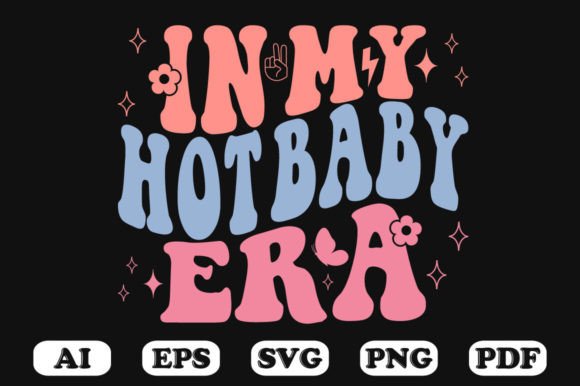
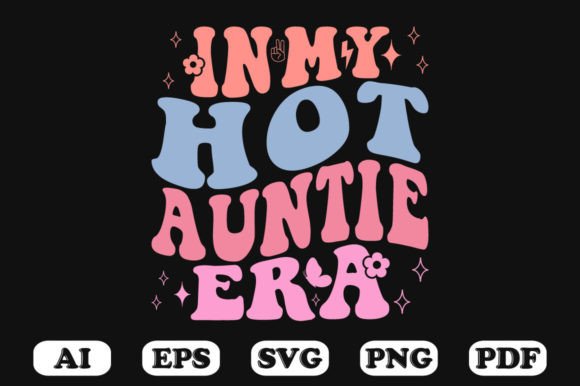
At first glance, the Retro Wavy SVG exudes a vintage feel that’s both playful and bold. The phrase “In My Hot Auntie Era” is rendered in a retro wavy text style, reminiscent of 70s-era signage or classic vinyl records. The wavy motion adds movement without being overly complicated, making it a great candidate for casual apparel and decorative items alike.
What stands out is how well the design balances simplicity and character. It’s not cluttered, yet it has enough visual interest to make a statement. The typography feels intentional—each letter flows into the next, maintaining legibility while still carrying that throwback energy. This kind of layout works particularly well for custom apparel, where a little extra flair can elevate a basic shirt into something memorable.
Where It Fits Naturally
This design shines on medium to large hoop sizes, especially for items like tote bags, sweatshirts, or even pillow covers. The wavy effect gives it dimension, which is perfect for creating handmade products with a retro twist. For Etsy sellers or boutique owners looking to add personality to their inventory, this could be a solid choice for seasonal collections or personalization options.
- Tote Bag Design: The scale and flow of the design make it ideal for canvas or cotton-blend totes. Imagine a customer walking around with a custom bag that reads “In My Hot Auntie Era” in bold, wavy script—it’s conversation-worthy.
- Sweatshirt Embroidery: On a cozy hoodie or pullover, the design adds a touch of humor and warmth. Its size allows for clear visibility without overwhelming the garment.
- Holiday Gifts: When paired with festive colors or backgrounds, the retro vibe becomes a charming holiday element. Think embroidered ornaments or gift tags using this layout.
Real-World Stitching Performance
Embroidery is more than just placing a file in your machine and pressing start. How a design behaves after stitching determines whether it’s worth using. The In My Hot Auntie Era Retro Wavy SVG performed admirably in most tests, but there were a few key takeaways worth noting.
The stitch clarity was strong across most fabric types, especially on medium-weight cotton blends and linen. The wavy lines translated well into satin stitches, giving the text a smooth, polished finish. However, if you’re planning to use this for a handmade product that will see frequent washing, such as baby clothes or kitchen towels, keep an eye on stitch density and thread color contrast. Dense areas may require additional stabilizer to prevent distortion over time.
I tested this design on a variety of commercial and personal projects. On a custom sweatshirt, the result was impressive: the text held up well through multiple layers of fabric, and the overall look felt cohesive and professional. For embroidered patches, though, the design’s larger footprint made it less practical unless you had the space to accommodate it. That said, when resized correctly, it worked beautifully on denim aprons or leather jackets.
Design Notes for Crafters and Small Business Owners
- Test on Scrap Fabric First: Before committing to a final project, always test the design on a scrap piece of your intended fabric. Especially if you're working with a textured or stretchy material.
- Review Thread Color Contrast: The retro aesthetic pairs well with muted tones like mustard yellow, brick red, or navy blue. But ensure the chosen thread colors pop against your base fabric.
- Check Stitch Density: The wavy nature of the text requires careful management of stitch spacing to avoid gaps or puckering, especially in tight curves.
- Confirm Hoop Size: While the design isn’t overly complex, it does benefit from a larger hoop area to maintain detail and proportion.
- Inspect Small Details: Look closely at the corners and inner lines of the letters. If they’re too delicate, consider reinforcing them with fill stitches or outlines.
- Use Proper Stabilizer: Depending on your fabric, tear-away or cut-away stabilizers may be necessary to preserve the integrity of the final embroidery.
- Test in Black and White: To evaluate how the design might appear without color, print a black-and-white mockup before choosing thread shades.
- Compare Light and Dark Backgrounds: The visual impact changes significantly based on fabric tone. A dark background enhances contrast, while light fabric lets the design breathe.
- Confirm Licensing for Commercial Use: Always verify that the digital embroidery file is appropriate for resale or commercial production before using it in your craft business.
When to Use It with Caution
While this design is versatile, it’s not suited for every situation. Here are some scenarios where you might want to rethink its application:
- Small Hoop Sizes: The design loses its visual punch when shrunk down too much. Tiny hoops won’t do justice to the wave effect or the text clarity.
- Textured Fabrics: Materials like flannel or corduroy can distort the smooth lines of the design, leading to a less polished appearance.
- Stretchy or Thin Fabrics: These materials can cause the design to pucker or lose shape during stitching, especially in curved areas.
- Dark Fabric Backgrounds: Without sufficient contrast in thread color, the design can blend in rather than stand out. Test different thread combinations before finalizing.
- Curved Surfaces (e.g., Caps): The retro wavy style doesn’t adapt easily to round shapes. You’ll need to manually adjust the layout or risk misalignment.
- Dense Stitch Areas: If your design includes additional decorative accents or fills, be cautious about overcrowding the design space. This could lead to tension issues or fabric distortion.
- Products That Require Frequent Washing: The design’s details might wear faster on items like baby clothes or tea towels. Opt for durable fabrics and thread to extend its life.
Visual Appeal and Brand Consistency
One of the strengths of the In My Hot Auntie Era Retro Wavy SVG is its ability to evoke emotion. Whether it’s nostalgia, humor, or a sense of confidence, this design carries a personality that can enhance your brand image. For Etsy sellers or small shop owners, it can serve as a signature look that customers begin to associate with your line of products.
However, if your brand leans towards minimalism or modern aesthetics, this design might feel out of place. It's important to align the visual language of your design assets with your overall brand identity. That said, if you’re aiming for a fun, vintage-inspired collection, this SVG could be the perfect fit.
Final Thoughts for Creative Entrepreneurs
After testing the In My Hot Auntie Era Retro Wavy SVG in several contexts, I’d say it’s a strong contender for a wide range of embroidery projects. From personalized gifts to small shop merchandise, it brings a unique charm that’s hard to ignore.
That said, success depends on thoughtful preparation. Know your fabric, check your hoop size, and don’t skip the stabilizer step. And remember—if you plan to sell finished items or offer digital embroidery files, confirm licensing rights to protect yourself legally.
For hobbyists and makers who appreciate retro vibes and bold typography, this design offers a fresh take on vintage-style embroidery. Just make sure to match it with the right project and presentation. Done right, it can boost product value, increase buyer engagement, and become a recognizable part of your creative portfolio.
If you’re ready to explore new textures, styles, and applications, give this machine embroidery design a try—but stay observant. Your audience will notice the difference between a rushed stitch job and one that’s been thoughtfully executed.